Is Dialysis Painful? Side Effects and Complications Explained
Many people worry that dialysis will hurt. This guide explains what dialysis feels like, the common side effects of haemodialysis and peritoneal dialysis, how to reduce them, and the warning signs that need help fast.
Dialysis should not be painful. In haemodialysis, you may feel some discomfort when the needles go into your fistula or graft, and most people find this gets easier with time (National Kidney Foundation). The most common side effects are low blood pressure, muscle cramps, itching and tiredness. Tell your team about any pain during or after a session.
Is Dialysis Painful?
The US National Kidney Foundation (NKF) says dialysis treatments should not be painful. If you have pain during or after a session, tell your healthcare team straight away.
In haemodialysis, the part most people notice is the needles going into the fistula or graft. This can cause some discomfort. The NKF says most patients find it gets easier with time, as the arm gets used to the needles.
In peritoneal dialysis there are no needles. Fluid flows into the belly through a soft tube (catheter) and drains out again.
What a Haemodialysis Session Feels Like
- Start: two needles go into the fistula or graft, or the lines are connected to a catheter.
- During: blood flows through the machine and dialyser and back to you. Most people sit or lie back, read, watch TV or sleep.
- Length: in a centre, usually about four hours, three days a week (NKF).
- After: some people feel tired or washed out. We suggest planning a quiet hour after your first few sessions.
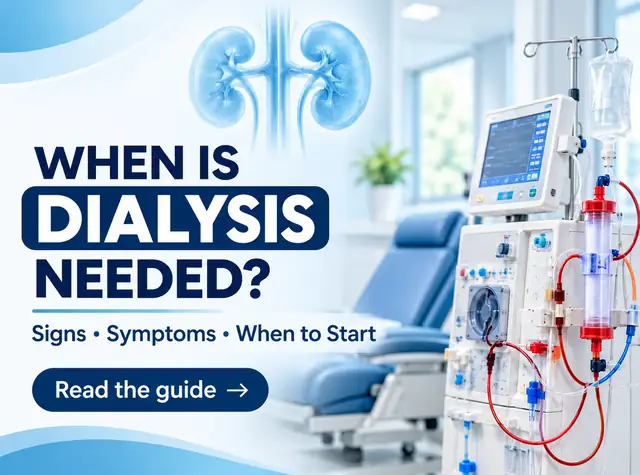
The machine checks your blood pressure and controls how fast blood flows through the filter. It also has pressure monitors and an air trap and air detector on the blood line (NIDDK). See how a dialysis machine works.
Common Side Effects of Haemodialysis
| Side effect | Why it happens | What helps |
|---|---|---|
| Low blood pressure | Fluid is removed during the session. More fluid gained between sessions or a weak heart makes it worse (NKF). | Keep to your fluid limit; your team may change session time or frequency. |
| Muscle cramps | Changes in fluid and minerals during the session (DaVita). | Tell the nurse at once; ask about your fluid target. |
| Nausea, vomiting, headache | Often linked to a drop in blood pressure (NKF). | Follow your diet and fluid advice. |
| Itchy, dry skin | Too much or too little dialysis, skin allergies, cold and dry weather, or high phosphorus (NKF). | Plain moisturiser, mild soap, take phosphate binders as prescribed. |
| Restless legs | Uncomfortable feelings in the legs that make you want to move them (NKF). | Tell your team; there are treatments. |
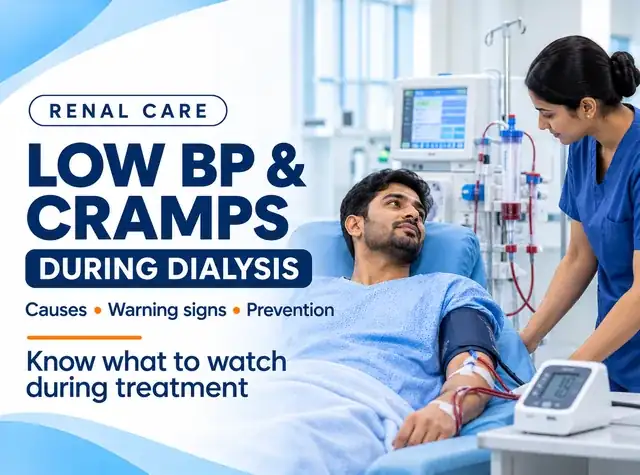
DaVita says low blood pressure is the most common side effect of haemodialysis. It also warns not to take blood pressure tablets before a session unless your doctor has told you to. See our guide to low BP and cramps during dialysis.
Setting up a dialysis unit?Get a written quote, brochure or demo from the Pulse team.
Serious Complications
The NHS lists these possible complications of haemodialysis:
- a skin infection around the fistula
- bleeding from the fistula
- too much fluid in the body, which can lead to serious problems such as heart failure
MSD Manuals adds rarer problems that the dialysis team watches for:
| Complication | Usual cause |
|---|---|
| Fever | Bacteria or fever-causing substances in the blood, or overheated dialysis fluid |
| Allergic reaction | Allergy to the dialyser, tubing or medicines given during dialysis |
| Abnormal heart rhythm | Abnormal potassium or other blood levels, or low blood pressure |
| Air in the blood line | Air entering the tubing |
| Bleeding | Too much heparin, the medicine that stops the dialyser clotting |
| Infection | Bacteria entering the bloodstream through the needle site |
Clean water and well-kept machines lower some of these risks. See our guides to dialysis water treatment and dialysis machine alarms.
Side Effects of Peritoneal Dialysis
- Exit-site infection: where the catheter enters the tummy (NHS).
- Peritonitis: infection of the tummy lining. It needs treatment straight away as it can lead to sepsis (NHS). Signs include fever, nausea, vomiting, stomach pain and cloudy drained fluid (DaVita).
- Hernia: a lump where organs push through a weak spot in the tummy muscles (NHS).
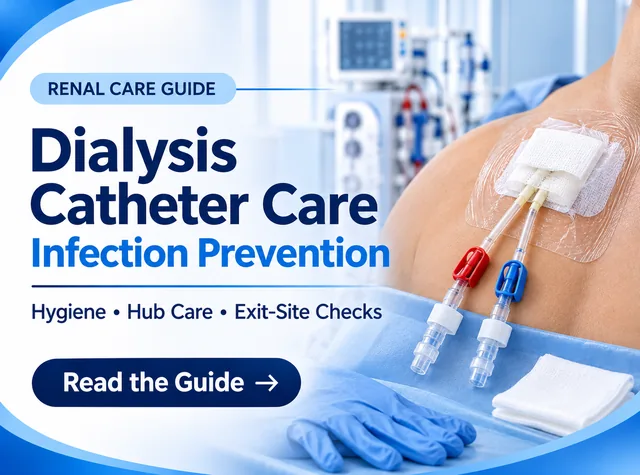
For catheter hygiene, see our dialysis catheter care guide.
How to Reduce Side Effects
- Keep to your fluid limit. The NKF says following your kidney diet and fluid limits can help avoid blood-pressure side effects.
- Cut down on salty foods, which make you thirsty (NKF).
- Take phosphate binders as prescribed to help with itching (DaVita).
- Look after your fistula: check it daily and keep it clean. See AV fistula vs catheter.
- Follow the diet plan. See our dialysis diet guide.
- Speak up early. We suggest telling the nurse the moment you feel dizzy, sick or crampy during a session.
Warning Signs: Get Help Fast
The NHS advises urgent help if you are on dialysis and:
- the skin around your fistula or tummy catheter is painful, swollen or a different colour
- your fistula is bleeding and will not stop: call an ambulance (108 or 112 in India) and say you are bleeding from a dialysis fistula
We suggest also calling your dialysis unit straight away for fever, chills, cloudy PD fluid, chest pain or sudden breathlessness.
For Hospitals and Dialysis Centres
Good machines, water treatment and trained staff help keep sessions comfortable and safe. Pulse supplies the PDM-6000 haemodialysis machine and dialysers. For budgets, see our dialysis unit setup cost guide.
Dialysis Side Effects: Key Facts
- Dialysis treatments should not be painful; tell your team about any pain (NKF).
- Needle insertion in haemodialysis can cause discomfort, which usually gets easier with time (NKF).
- Low blood pressure is the most common side effect of haemodialysis (DaVita).
- Peritonitis in peritoneal dialysis needs treatment straight away as it can lead to sepsis (NHS).
- Keeping to fluid and diet limits helps avoid many side effects (NKF).
Dialysis Side Effects: FAQs
Is dialysis painful?
Dialysis itself should not be painful, according to the National Kidney Foundation. In haemodialysis, the needles going into the fistula or graft can cause some discomfort, which most people find gets easier with time. Tell your team about any pain during or after a session.
Do dialysis needles hurt?
They can sting when they go in. The National Kidney Foundation says most patients find it gets easier as the arm gets used to the needles. Ask your team about numbing options if it bothers you.
What are the most common side effects of dialysis?
For haemodialysis: low blood pressure, muscle cramps, nausea, headache, itchy skin and tiredness. For peritoneal dialysis: exit-site infection, peritonitis and hernia.
Why does blood pressure drop during dialysis?
Fluid is removed during the session. The drop is more likely if a lot of fluid was gained between sessions or the heart is weak. Keeping to your fluid limit helps.
Why do I feel tired after dialysis?
Many people feel washed out after a session as fluid and minerals shift. We suggest resting for a while afterwards and telling your team if tiredness does not improve.
What are the signs of peritonitis in PD?
Fever, nausea, vomiting, stomach pain and cloudy drained fluid. Peritonitis needs treatment straight away as it can lead to sepsis, so call your dialysis unit at once.
When should I get urgent help on dialysis?
If the skin around your fistula or catheter is painful, swollen or a different colour, or your fistula bleeds and will not stop. For bleeding that will not stop, call an ambulance (108 or 112).
Does Pulse supply dialysis machines?
Yes. Pulse supplies the PDM-6000 haemodialysis machine and dialysers. Message +91 90711 01108 for a quote.
Sources
- Complications of dialysis (NHS, reviewed 10 September 2025): fistula infection and bleeding, fluid overload, PD exit-site infection, hernia, peritonitis; when to get help
- Dialysis myths and facts (National Kidney Foundation): dialysis should not be painful, needle discomfort, blood-pressure side effects, session length
- Coping with symptoms while on dialysis (National Kidney Foundation): low blood pressure causes, itchy skin causes, restless legs, salt and thirst
- Potential dialysis side effects (DaVita): low blood pressure most common, cramps, itching and phosphorus, peritonitis signs, hernia
- Some common complications of hemodialysis (MSD Manuals): fever, allergy, rhythm problems, air, bleeding, infection
- Hemodialysis (NIDDK): how the machine monitors pressure, blood flow and air
Related Reading