Laser Safety in Aesthetic Clinics: Eyes, Skin, Smoke and Training
Most lasers used for hair removal, tattoo removal and skin resurfacing are powerful enough to injure the eye in a fraction of a second. This guide explains laser classes, the right eye protection, and the room, smoke and training rules that keep patients and staff safe.
Nearly all treatment lasers are Class 4, which can injure the eyes and skin from the direct beam and even from reflections. Everyone in the room should wear eyewear rated for that laser's wavelength, marked with its optical density (OD). Clinics should also mark a controlled area, use smoke evacuation, and train every laser user.
Laser Classes in Brief
| Class | Hazard |
|---|---|
| 1 | Safe in normal use |
| 2 / 2M | Visible light; the blink reflex usually protects the eye |
| 3R | Low risk; possible harm from direct viewing |
| 3B | Harmful to the eye from the direct beam or mirror-like reflections |
| 4 | Harmful to eyes and skin from the beam and reflections; can cause fires and smoke |
US workplace safety guidance notes that nearly all surgical treatment lasers are Class 4. Aesthetic lasers for hair removal, tattoo removal and resurfacing fall in this group too.
Eye Protection
- Use eyewear made for the laser's exact wavelength. Glasses for one laser may give no protection against another.
- Check the wavelength and optical density (OD) printed on the eyewear before each use.
- Give the patient eye shields or goggles too, especially for face treatments.
- Everyone inside the hazard zone needs eyewear while a Class 3B or 4 laser is on, unless the beam is fully enclosed.
IPL machines are not lasers, but their bright flashes can still harm the eyes. We suggest using the eye protection the maker specifies for every IPL treatment.
Setting up an aesthetic clinic?Get a written quote, brochure or demo from the Pulse team.
The Laser Room
- Hazard zone: the area where the beam or its reflections could exceed safe levels. Keep it marked and limit entry.
- Warning signs: post them on the door when the laser is in use, and cover them when it is off.
- Windows: cover or filter them so the beam cannot pass through.
- Reflections: we suggest removing mirrors, jewellery and shiny instruments from the beam path.
Smoke and Fire
Laser smoke (plume) can contain toxic gases, cell debris and even viruses, and can irritate the eyes and airways. Use a smoke evacuator or suction with an in-line filter, and masks where needed. Class 4 lasers can also start fires, so we suggest keeping flammable items such as alcohol wipes away from the treatment area.
Training and a Laser Safety Officer
Clinics using Class 3B or 4 lasers should appoint a laser safety officer (LSO) and give documented training to every user, nurse and support staff member. Only trained technicians should service or align the laser. Users should also work within their professional scope and training.
For the wider setup, see our starting an aesthetic clinic guide.
Pulse Laser and Light Devices
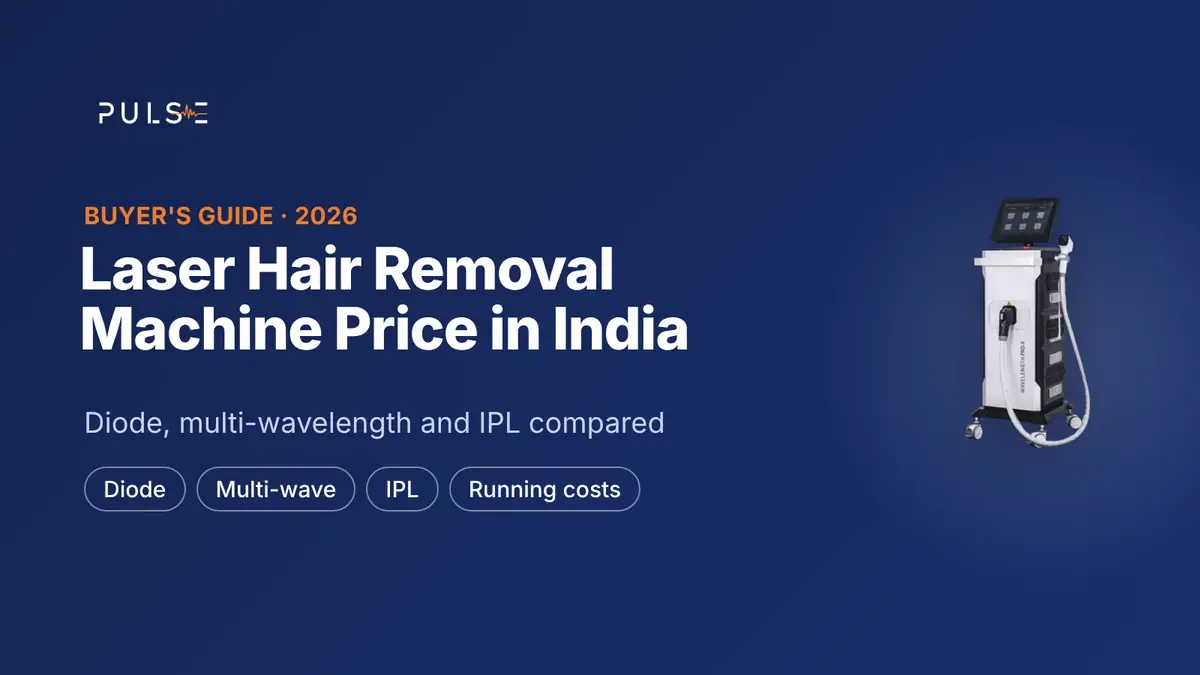
- Wavelength Pro X: diode laser for hair removal with four wavelengths.
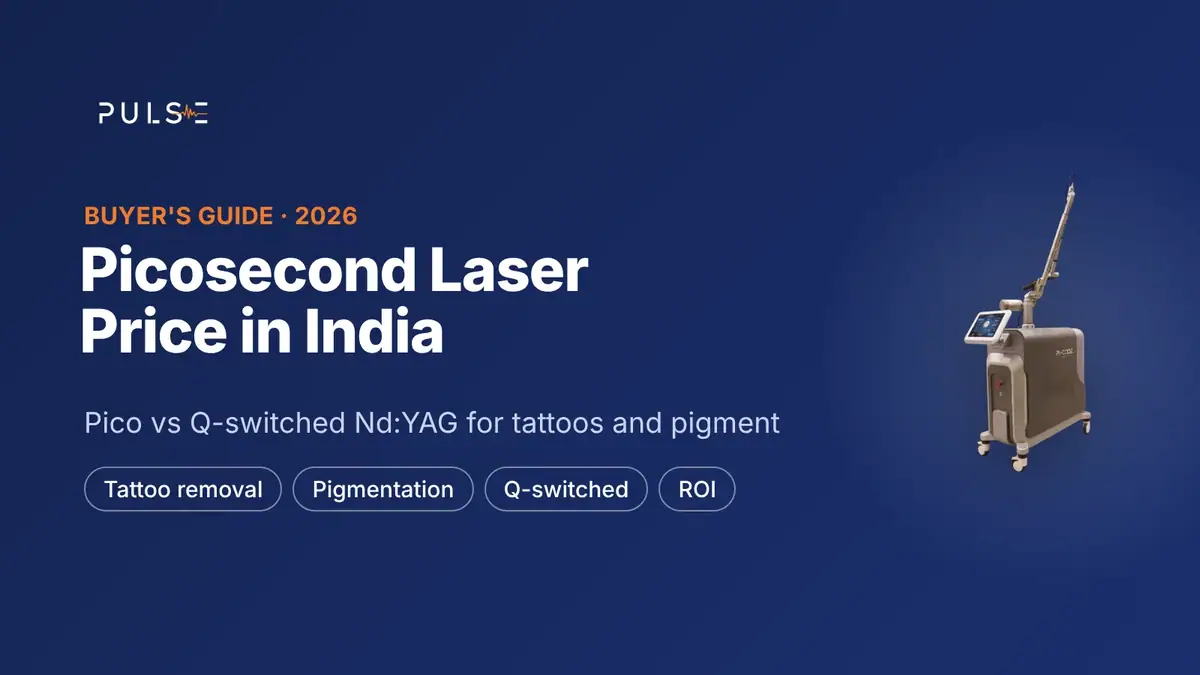
- Pi-Code: Nd:YAG picosecond laser for tattoo removal and pigmentation.
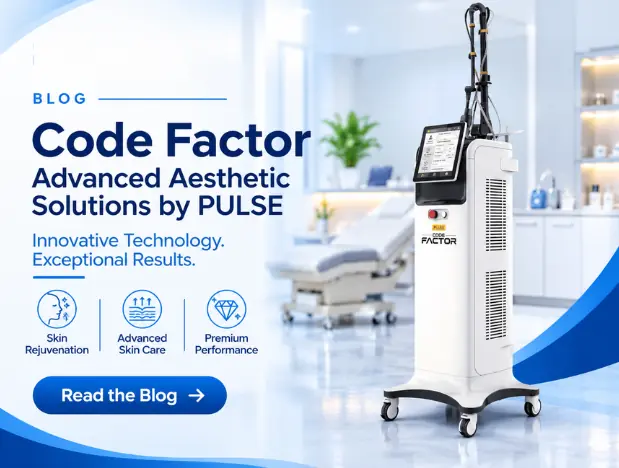
- Code Factor: 40W CO2 fractional laser for scars and fine lines.
- BBL Super IPL + DPL: intense pulsed light with 11 filters.
When buying any laser, ask what operator training is included. See our laser hair removal machine price and picosecond laser price guides.
Laser Safety in Clinics: Key Facts
- Nearly all treatment lasers are Class 4, a hazard to eyes and skin.
- Laser eyewear must match the laser's wavelength and be marked with its optical density.
- Everyone in the hazard zone of a Class 3B or 4 laser needs eye protection.
- Laser smoke can carry toxic gases, debris and viruses; use smoke evacuation.
- Clinics should have a laser safety officer and documented training.
Laser Safety in Clinics: FAQs
What class are aesthetic lasers?
Nearly all treatment lasers, including those for hair removal, tattoo removal and resurfacing, are Class 4, a hazard to the eyes and skin.
What eye protection is needed for laser treatment?
Eyewear made for that laser's wavelength, marked with its optical density. Patients need eye shields or goggles too.
Can one pair of laser glasses be used for all lasers?
No. Eyewear protects only at the wavelengths printed on it, so check that it matches each laser before use.
Is laser smoke harmful?
Yes. It can contain toxic gases, cell debris and viruses. Use a smoke evacuator or filtered suction.
Does a clinic need a laser safety officer?
Clinics using Class 3B or 4 lasers should have one, plus documented training for all users and staff.
Does Pulse supply aesthetic lasers?
Yes. Pulse supplies a diode hair removal laser, a picosecond laser, a CO2 fractional laser and an IPL system. Message +91 90711 01108 for a quote.
Sources
- Hospitals eTool: laser hazards (US Occupational Safety and Health Administration): laser classes, eye, skin, fire and smoke hazards, eyewear, controlled area, training
- Laser safety questions and answers (Health Physics Society): eyewear in the hazard zone, laser safety officer for Class 4 lasers
Related Reading