ECG vs Echo: What Is the Difference?
An ECG and an echo are the two most common heart tests, and doctors often order both. This guide explains what each test shows, how to prepare, how long it takes, what it costs in India, and why you may need one or both.
An ECG records the heart's electrical activity (rate and rhythm) using sticky pads on the skin, and takes about 5 minutes. An echo (echocardiogram) is an ultrasound scan that shows the heart's structure: its chambers, valves and how well it pumps. It takes about 15 to 60 minutes. An ECG is cheaper; doctors often order both.
What an ECG Does
An ECG (electrocardiogram) records the electrical activity of the heart, including its rate and rhythm (NHS). Small sticky pads (electrodes) go on the chest, arms and legs and connect to an ECG machine. It does not put any electricity into the body, and a standard ECG takes about five minutes (Patient.info). ECG and EKG are the same test with two spellings.
What an Echo Does
An echo (echocardiogram) is an ultrasound scan of the heart. It gives moving pictures that show how well the heart pumps and relaxes, and the condition of its chambers and valves (Nuffield Health). Most people have a transthoracic echo, where a probe moves over the chest. The whole procedure usually takes 15 to 60 minutes (NHS).
ECG vs Echo at a Glance
| ECG | Echo | |
|---|---|---|
| What it records | Electrical activity: rate and rhythm | Pictures of the heart: chambers, valves, pumping |
| How it works | Sticky pads on chest, arms and legs | Ultrasound probe on the chest |
| Time | About 5 minutes | About 15 to 60 minutes |
| Good for finding | Abnormal rhythms, past or present heart attack, enlarged heart | Heart failure, valve disease, cardiomyopathy, heart defects |
| Preparation | Easy-to-remove top; no lotion on the chest | Usually none for a standard echo |
| CGHS rate (NABH, June 2023) | Rs 175 | Rs 1,475 |
What an ECG Can Show
Patient.info says an ECG can detect:
- abnormal heart rhythms, such as a beat that is too fast, too slow or irregular
- a past or present heart attack
- an enlarged heart
Some people wear a small ECG recorder for a longer time to catch rhythm problems that come and go. This is called an ambulatory ECG (Patient.info).
What an Echo Can Show
Nuffield Health lists conditions an echo is used to find or monitor:
- heart failure (weak pumping)
- heart valve disease
- cardiomyopathy (disease of the heart muscle)
- heart conditions present from birth
- blood clots and problems with the aorta
Buying ECG machines for your hospital?Get a written quote, brochure or demo from the Pulse team.
Types of Echo
| Type | How it is done |
|---|---|
| Transthoracic echo (TTE) | Probe on the chest. The standard echo most people have. |
| Transoesophageal echo (TOE) | A thin probe goes down the throat for a closer view. Needs preparation. |
| Stress echo | Scan before and after exercise, or a medicine that makes the heart work harder. |
The NHS says you won’t usually need to prepare for an echo unless you are having a TOE.
How to Prepare
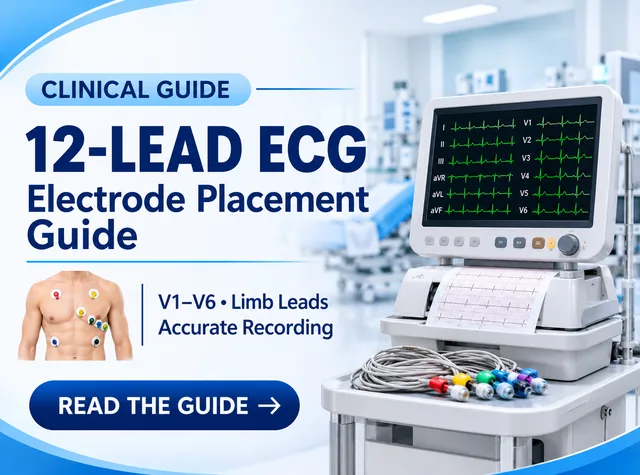
- ECG: the NHS suggests wearing a top that is easy to take off, and not putting lotion, oil or talc on your skin before the test.
- Standard echo: usually no preparation. You take off clothes on the top half and wear a gown (NHS).
- Both: we suggest bringing old ECG or echo reports so the doctor can compare.
ECG vs Echo Cost in India
| Test | Typical price | CGHS rate (NABH / non-NABH) |
|---|---|---|
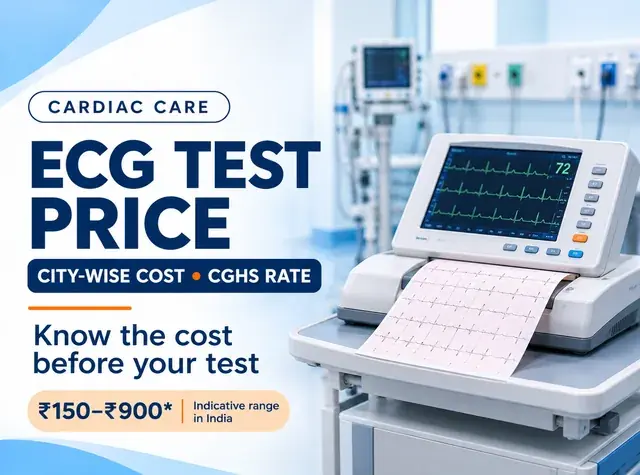
| ECG | Rs 150 – 900 | Rs 175 (NABH) |
| Echo | Rs 1,500 – 4,000 | Rs 1,475 / Rs 1,255 |
| Stress echo | — | Rs 2,400 / Rs 2,040 |
ECG prices are from our ECG test price guide. Bajaj Finserv Health puts the echo test at about Rs 1,500 to Rs 4,000 in India. Online booking prices on Tata 1mg were Rs 1,200 in Bangalore, Rs 1,288 in New Delhi and Rs 1,380 in Mumbai. CGHS rates are from the CGHS order of 19 June 2023; CGHS revised many rates again from 13 October 2025, so check the current list.
Which Test Will the Doctor Order?
As a general guide, an ECG suits worries about rhythm, while an echo answers questions about pumping and valves:
- Palpitations or an irregular pulse: an ECG shows the rhythm.
- Chest pain: an ECG is quick and can show signs of a heart attack.
- Breathlessness or a heart murmur: an echo checks pumping and valves.
The tests answer different questions. A normal ECG does not rule out a valve or pumping problem, and a normal echo does not rule out a rhythm problem. That is why doctors often use both. Your doctor will choose the right test for you.
Other Heart Tests You May Hear About
- TMT (treadmill test): an ECG while you walk on a treadmill.
- Holter: a small ECG recorder worn for a longer time.
- Stress echo: an echo before and after exercise or medicine.
- Angiogram: X-ray pictures of the heart arteries using dye. See angiogram vs angioplasty.
For Hospitals: Pulse ECG Machines
Pulse supplies 3 channel, 6 channel and 12 channel ECG machines for clinics, wards and ICUs. For correct electrode positions, see our ECG lead placement guide, and for reading the report, ECG normal values.
ECG vs Echo: Key Facts
- An ECG records the heart's electrical activity; an echo is an ultrasound of its structure.
- A standard ECG takes about 5 minutes; an echo takes about 15 to 60 minutes.
- CGHS rates (June 2023): ECG Rs 175 and echo Rs 1,475 at NABH centres.
- An echo costs about Rs 1,500 to Rs 4,000 in India (Bajaj Finserv Health).
- The tests answer different questions, so doctors often order both.
ECG vs Echo: FAQs
What is the difference between an ECG and an echo?
An ECG records the electrical activity of the heart, showing its rate and rhythm, using sticky pads on the skin. An echo is an ultrasound scan that shows the heart's structure, valves and how well it pumps.
Which is better, ECG or echo?
Neither is better; they answer different questions. An ECG is best for rhythm problems and signs of a heart attack. An echo is best for pumping strength, valves and structural problems. Doctors often order both.
Is an echo the same as a 2D echo?
Yes. Labs list the echocardiogram under names such as 2D echo and colour Doppler echo.
How much does an echo test cost in India?
About Rs 1,500 to Rs 4,000, according to Bajaj Finserv Health. Online booking prices on Tata 1mg were about Rs 1,200 to Rs 1,380 in big cities. The CGHS rate set in 2023 is Rs 1,475 at NABH centres.
Do I need to prepare for an ECG or echo?
For an ECG, wear a top that is easy to remove and skip lotion or oil on the chest. A standard echo usually needs no preparation; a transoesophageal echo (TOE) does.
Can an ECG detect a heart blockage?
An ECG can show signs of a heart attack, but a normal ECG does not rule out blocked arteries. Tests such as a TMT, stress echo or angiogram may be needed.
How long does an echo take?
Usually 15 to 60 minutes, according to the NHS. A standard ECG takes about 5 minutes.
Does Pulse supply ECG machines?
Yes. Pulse supplies 3, 6 and 12 channel ECG machines. Message +91 90711 01108 for a quote.
Sources
- Electrocardiogram (ECG), Echocardiogram and having an echo (NHS): what each records, preparation, echo types and time
- Electrocardiogram (ECG) (Patient.info): about five minutes, what an ECG detects, ambulatory ECG
- Transthoracic echocardiogram (Nuffield Health): what an echo shows and conditions it finds
- Revision of CGHS rates for 36 imaging investigations (CGHS O.M. 19 June 2023): ECG, echo and stress echo rates
- Echocardiogram test in India (Bajaj Finserv Health, 1 September 2026): about Rs 1,500 to 4,000
- Echo (echocardiography) price (Tata 1mg, checked November 2026): Bangalore Rs 1,200, New Delhi Rs 1,288, Mumbai Rs 1,380
Related Reading